

What Is This Product & Why Does It Matter
Before talking about specs, talk about the foundation of signal transmission.
It's Not Just a Cable — It's the Transmission Foundation
Coaxial cable looks like a simple wire, but in any project it is the fundamental link of video, RF, and high-frequency signal transmission systems. Customers often focus on front-end devices and back-end platforms, but what truly determines whether a system runs stably and lasts long is the transmission link itself.
It Does More Than Just Connect A to B
- Ensures signal transmission quality
- Controls attenuation and interference
- Affects system stability and service life
- Determines maintenance frequency and rework costs
- Influences project acceptance and long-term operation
Three Core Cognitions for Every Sales Conversation
System Companion Product
Never sell coaxial cable in isolation. It must be matched to the device, distance, environment, installation method, and maintenance conditions.
Long-Term Stability Value
The purchase price difference may seem small, but long-term faults, repairs, downtime, and rework costs are enormous.
Scenario-Based Selling
Customers don't care about RG59 or RG6 by name — they care about whether it fits their scenario, what goes wrong if mismatched, and why you recommend one over another.
Why the Right Cable Matters: Common System Failures Traced to Wrong Cable
Video snow, stripes, frame drops — often not a camera issue, but a 75Ω video link problem
RF standing wave, unstable coverage — often not a wireless device issue, but a 50Ω feeder mismatch
Industrial signal instability — often not a controller issue, but insufficient shielding level
Frequent failures in underground/outdoor scenes — often not short device lifespan, but wrong cable structure for the environment
Product Classification & What to Prioritize
Know the product map before you pitch. Focus your energy on the right directions.
Category 1: By Impedance — The Most Critical Distinction
| Type | Impedance | Application |
|---|---|---|
| Video / CATV | 75Ω | CCTV, broadcast, cable TV, smart city |
| RF / Wireless | 50Ω | Antenna feeder, wireless comms, RF test |
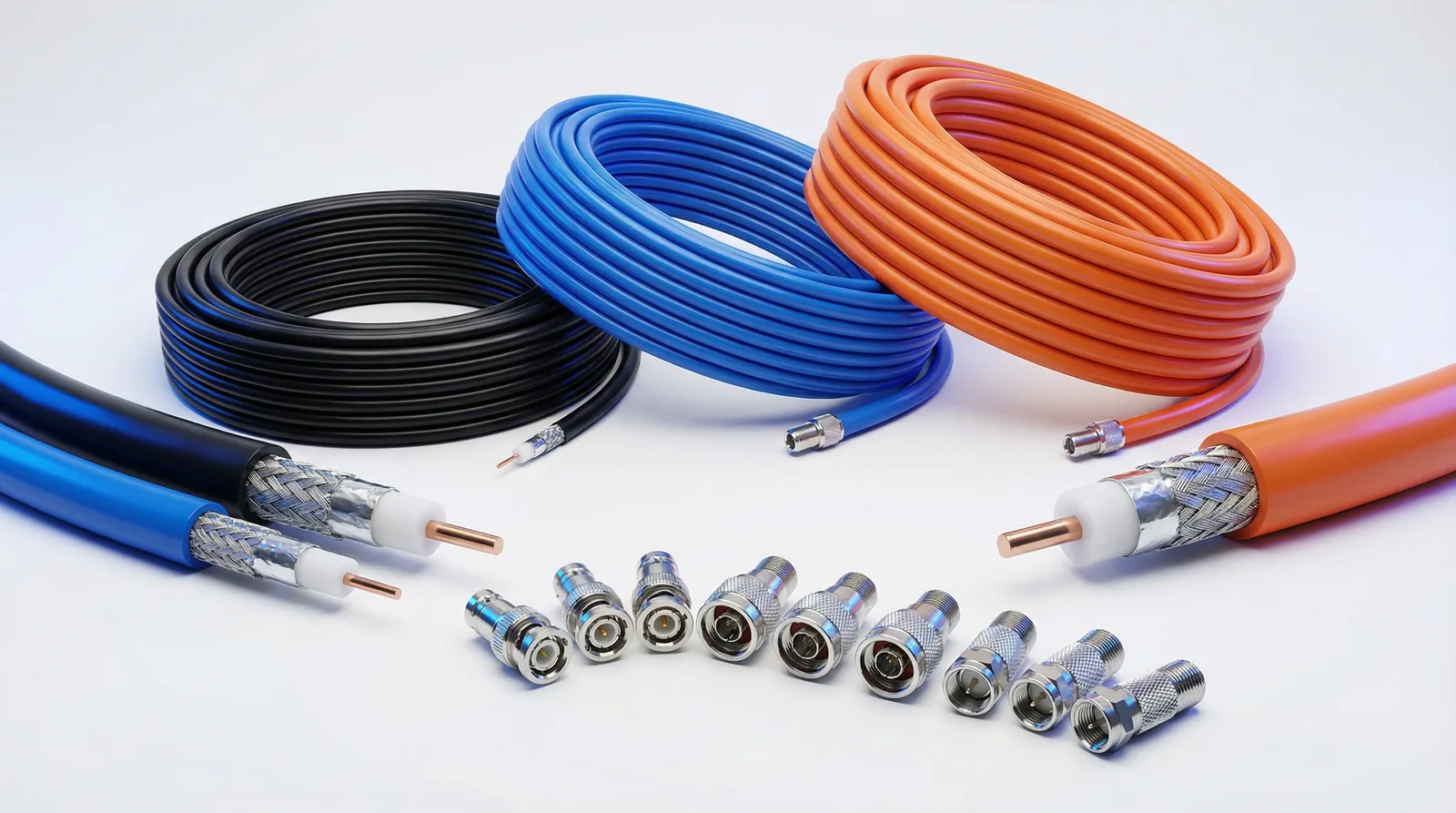
Category 2: By Common Model / Cable Gauge
| Model | Impedance | Typical Use |
|---|---|---|
| RG59 | 75Ω | Short-run CCTV, indoor video |
| RG6 | 75Ω | Standard CCTV, CATV, medium runs |
| RG11 | 75Ω | Long-run trunk lines, low-loss backbone |
| RG58 | 50Ω | RF feeder, antenna connections, lab test |
Key principle: larger diameter = lower loss = better for longer distances and stable trunk lines.
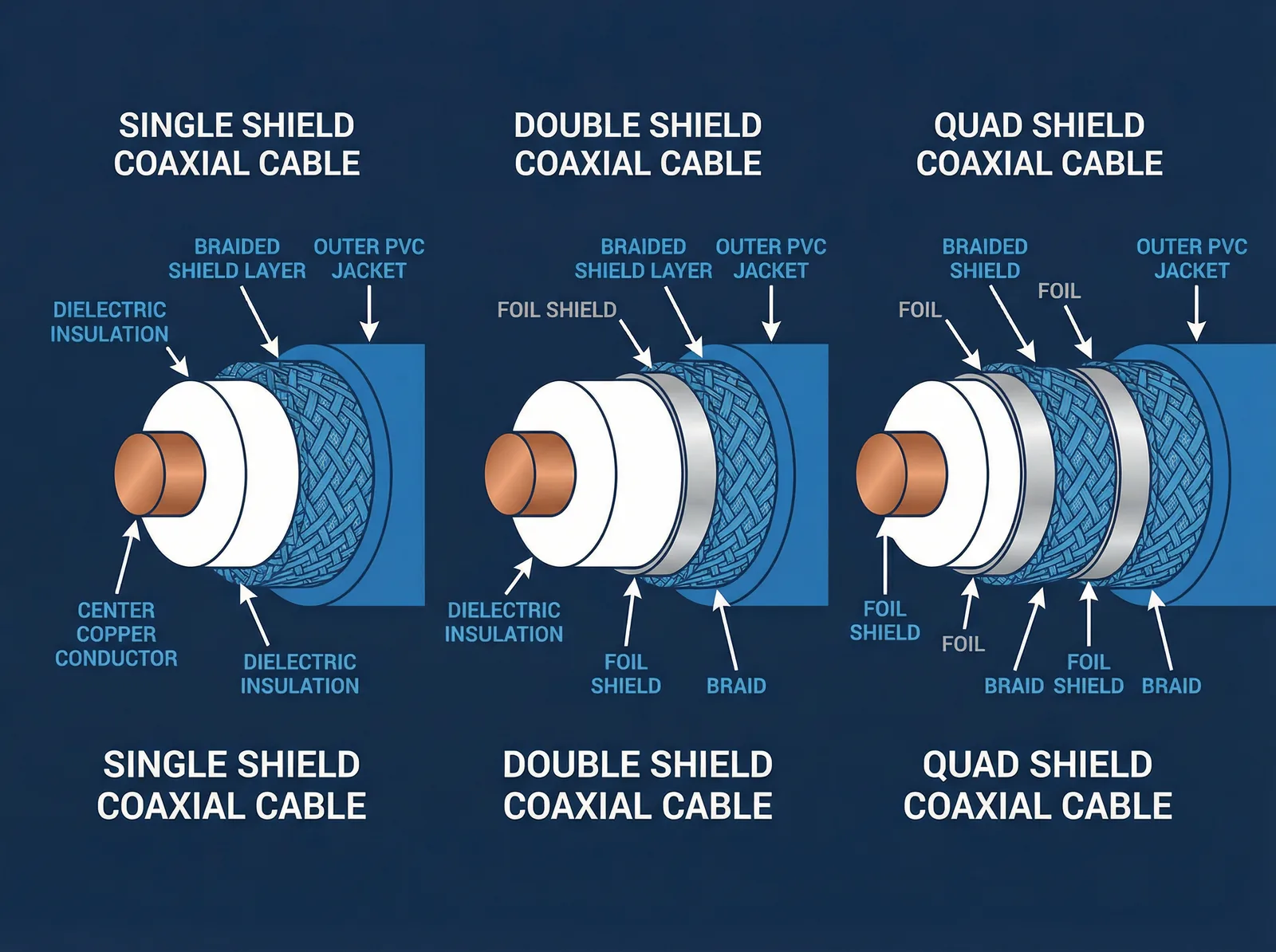
Category 3: By Shielding Level
Category 4: By Application Environment
Sales Priority Directions
Not all products deserve equal effort. Focus on these three directions.
Priority 1: 75Ω Video
Easiest entry point. Covers CCTV, road surveillance, perimeter monitoring, legacy upgrades, and broadcast.
Best Entry PointPriority 2: 50Ω RF Feeder
For wireless communication, RF links, antenna systems, indoor coverage, and RF test setups. Emphasize impedance match, low loss, and device compatibility.
Technical BuyersPriority 3: High-Shield / Special Environments
Industrial EMI, power systems, outdoor complex environments, underground burial, chemical/corrosion environments. Value-based selling — customers understand consequences.
Value SellingWho Buys & Why They Buy
Understanding your buyer helps you speak their language and address their real concerns.
Why Customers Buy Coaxial Cable
Stable Transmission Is Non-Negotiable
If the signal cannot pass, attenuation is too high, interference is severe, or connectors are unstable — even the best front/back-end equipment is meaningless.
Project Delivery & Acceptance Requirements
Projects have requirements for stability, clarity, continuity, and maintainability. Customers are not just buying a product — they are buying a delivery outcome.
Reduce Maintenance & Rework Risk
Customers fear: problems right after completion, rework after burying cables, frequent outdoor maintenance within a year, incompatibility after legacy system upgrades.
Control Total Risk, Not Just Unit Price
Sophisticated buyers look at: construction cost, rework cost, downtime loss, project reputation, and maintenance pressure.

Target Customer Profiles
Key Customer Types
- System Integrators
- Weak-Current Engineering Contractors
- Security Engineering Contractors
- Telecom Engineering Contractors
- Broadcast & TV Engineering Contractors
- Industrial Automation Integrators
- Power Project Contractors
- General Project Contractors
- O&M Units
- Device Bundling Customers
Key Industry Verticals
- Security & Surveillance
- Smart City
- Buildings & Campuses
- Industrial Manufacturing
- Power Systems
- Telecommunications
- Broadcast & TV
- Underground Infrastructure
- Oil, Gas & Chemical
- Laboratory & Testing
Key Project Types
- New CCTV Builds & Upgrades
- Legacy System Replacement
- Road & Public Area Deployment
- Industrial Complex Environment Monitoring
- Power Station Auxiliary Surveillance
- Telecom Feeder & Antenna Systems
- Underground Burial Projects
- Chemical Anti-Corrosion Projects
- High-Frequency Test Connection Projects
What to Emphasize in Different Scenarios
The same cable model can be right for one project and a liability for another. Always sell by scenario.
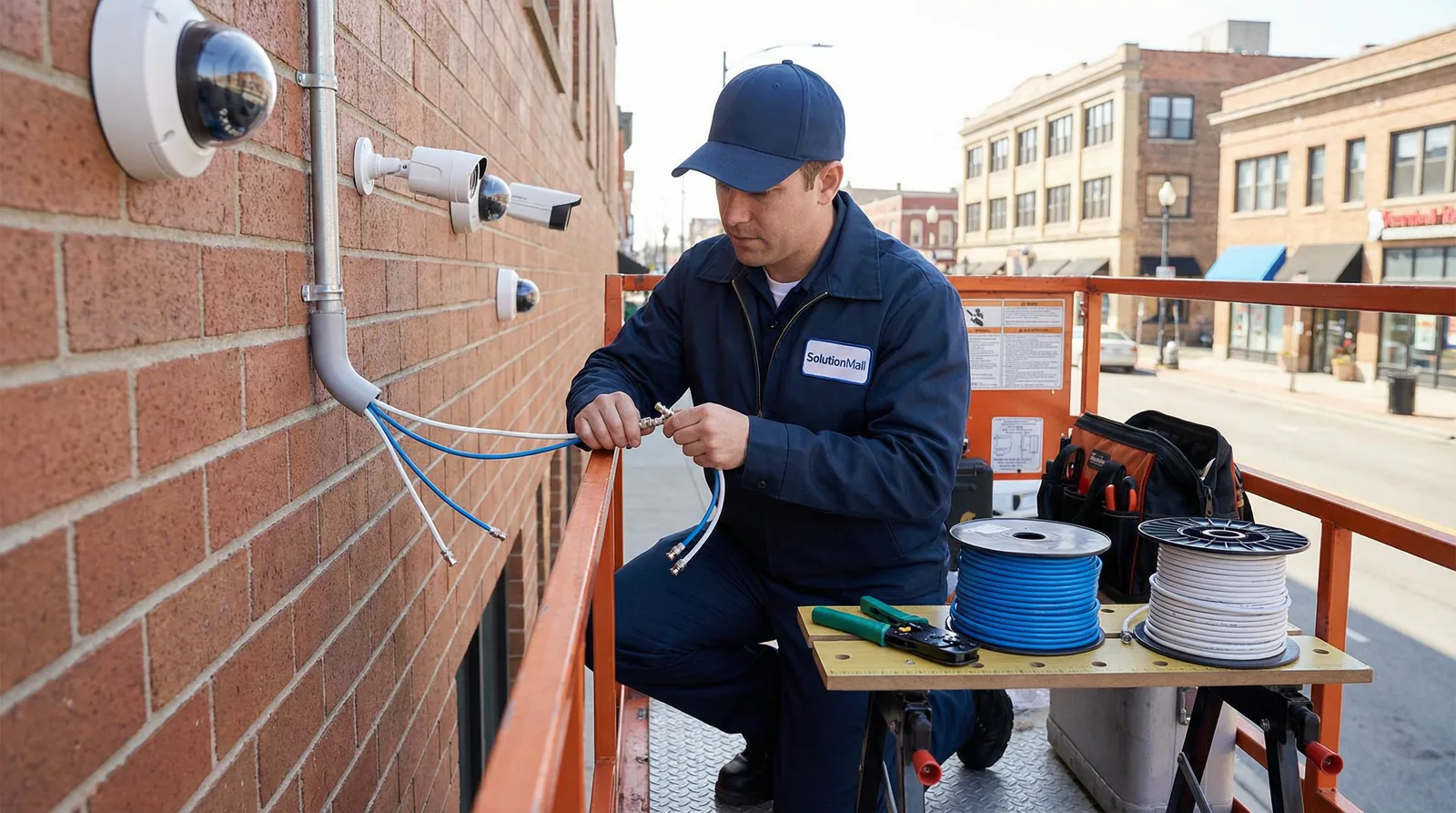
CCTV Surveillance
Key Points to Emphasize
- 75Ω video link matching
- Transmission stability
- Image clarity and forensic validity
- Connector reliability
- Attenuation control over long distances
How to Pitch It
This scenario is not just about connecting a camera. The key is whether recordings are stable over time, whether there is snow at night, and whether image quality degrades over long runs. In video systems, a wrong link choice often shows up as image problems.

Smart City
Key Points to Emphasize
- Multi-system integration compatibility
- Long-distance trunk line performance
- Outdoor weather resistance and UV stability
- Future-proof bandwidth headroom
- Maintenance accessibility over long project life
How to Pitch It
Smart city projects run for 10–15 years. The cable buried today determines whether the system still works reliably in year 8. Choosing the right cable now prevents costly infrastructure rework later.
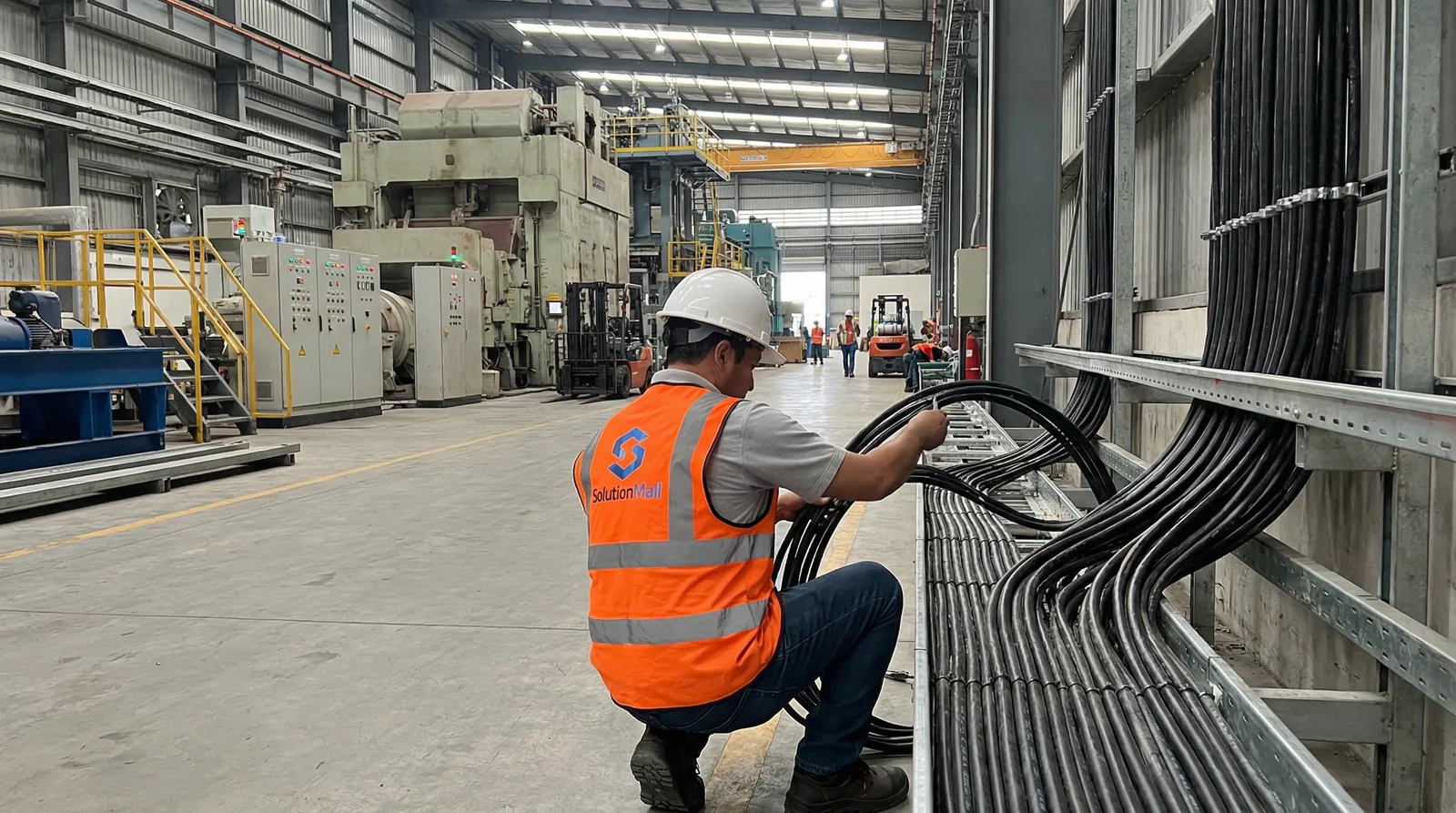
Industrial Manufacturing
Key Points to Emphasize
- High-shielding for EMI-dense environments
- Temperature and chemical resistance
- Mechanical durability and abrasion resistance
- Compliance with industrial safety standards
How to Pitch It
In industrial environments, signal interference is everywhere — motors, inverters, welding equipment. The cable must be engineered to survive the environment, not just pass a signal in a lab.
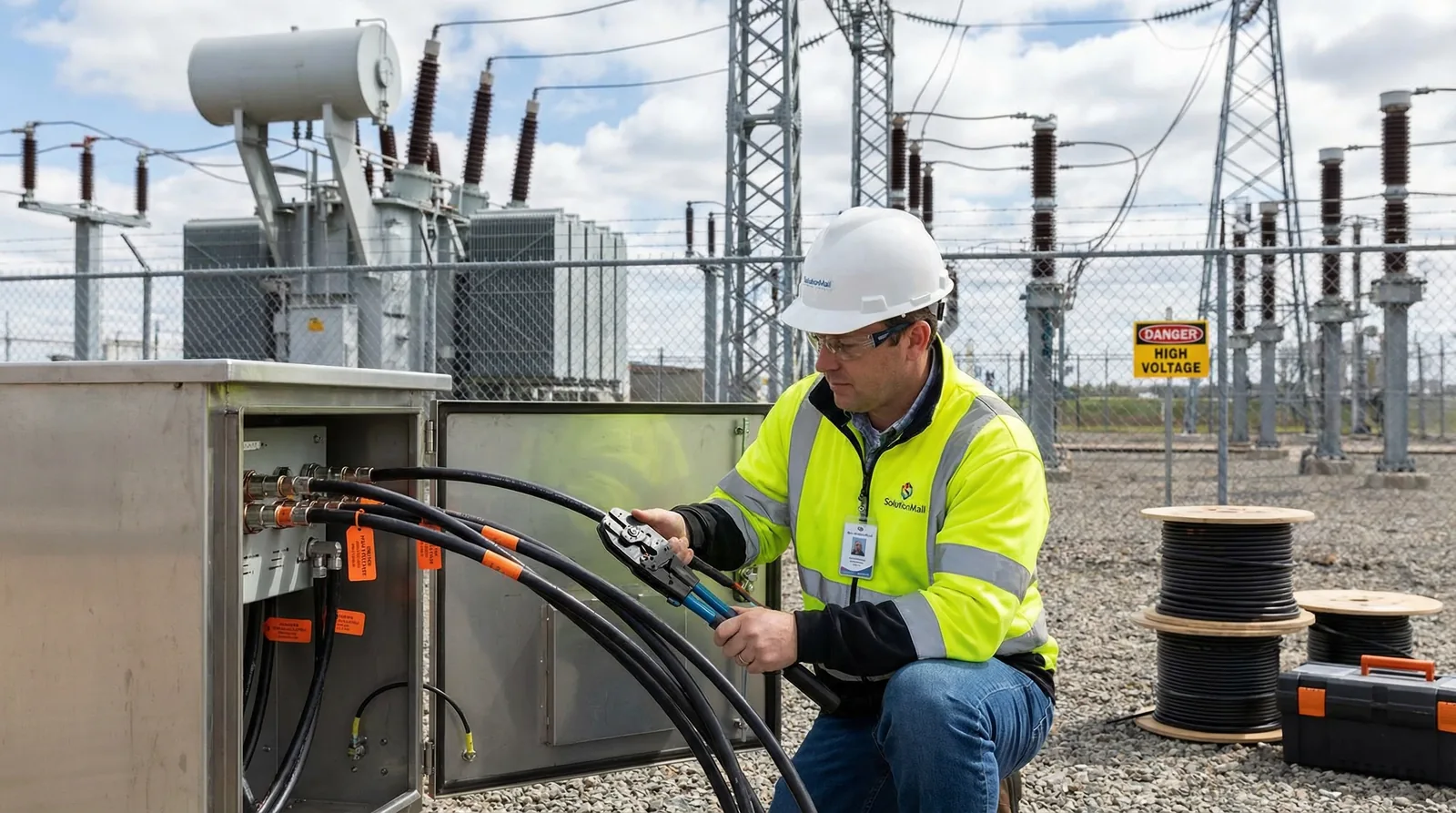
Power Systems
Key Points to Emphasize
- High-voltage environment shielding
- Electromagnetic interference immunity
- Flame-retardant and safety-rated materials
- Compliance with power industry standards
- Long-term reliability in critical infrastructure
How to Pitch It
Power substations have extreme electromagnetic environments. A cable that works in an office will fail here within months. The cost of a cable upgrade is nothing compared to the cost of a substation outage.
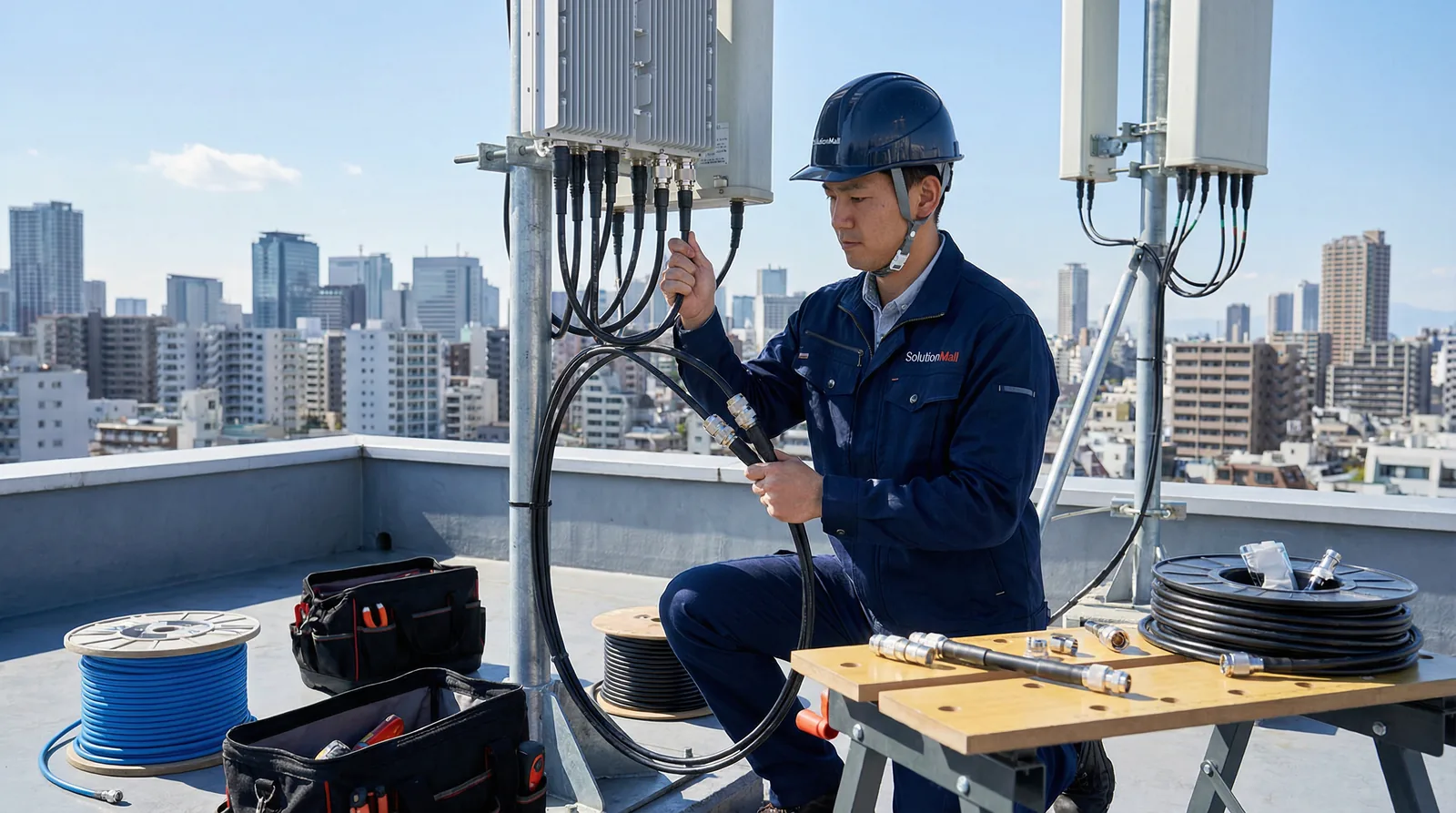
RF / Wireless Communication
Key Points to Emphasize
- 50Ω impedance precision matching
- Low insertion loss at target frequency
- VSWR and return loss performance
- Connector and termination quality
- Phase stability for antenna arrays
How to Pitch It
RF systems are only as good as their weakest link. A mismatched feeder cable can reduce effective radiated power by 30–50%. The antenna and base station are expensive — protect that investment with the right feeder.
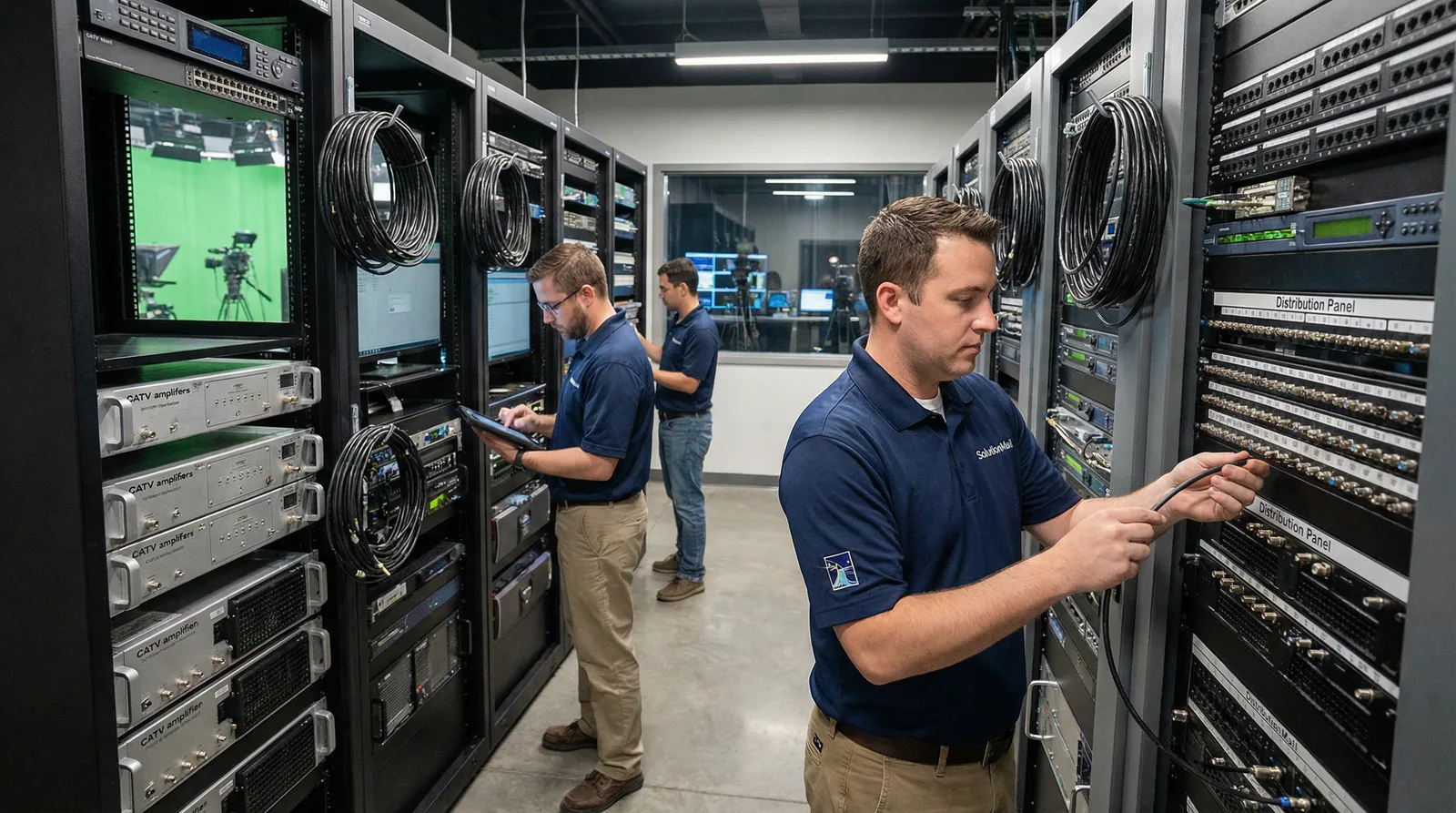
Broadcast / CATV
Key Points to Emphasize
- Broadband frequency response flatness
- Low-loss trunk line performance
- Signal distribution uniformity
- Long-term stability for 24/7 operation
How to Pitch It
Broadcast and CATV networks operate 24/7 and serve thousands of endpoints. A degraded trunk cable means degraded service for every subscriber. The cable is the backbone of the entire distribution network.
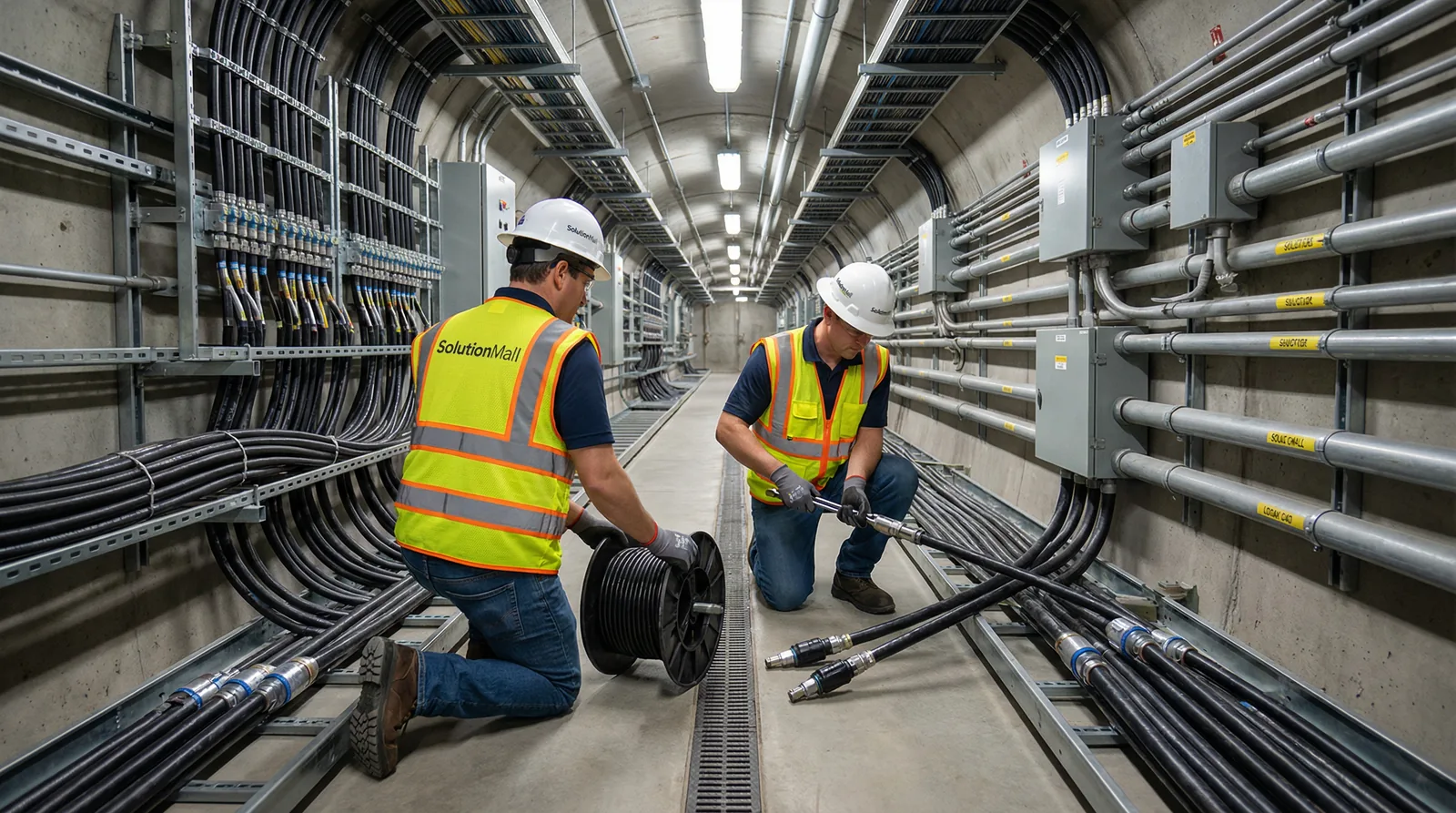
Underground Burial
Key Points to Emphasize
- Direct-burial rated jacket and armor
- Moisture and water ingress protection
- Soil chemistry and corrosion resistance
- Mechanical crush and rodent resistance
- Long-term burial life expectancy
How to Pitch It
Once buried, you cannot easily replace it. A cable failure underground means excavation, disruption, and enormous rework cost. The right cable for underground burial is not the cheapest — it is the one you never have to dig up again.
Chemical / Corrosion Environments
Key Points to Emphasize
- Chemical-resistant jacket materials (PTFE, FEP, PE)
- Corrosion-proof connector and termination
- Acid, alkali, and solvent resistance rating
- Safety compliance for hazardous environments
- Maintenance-free design for inaccessible areas
How to Pitch It
In chemical plants and refineries, standard cables degrade in months. The cost of a cable failure in a hazardous zone is not just the cable — it is the safety incident, the shutdown, and the regulatory investigation.
Laboratory & Testing
Key Points to Emphasize
- Precision impedance tolerance (±1Ω or better)
- Phase stability and repeatability
- Low PIM (Passive Intermodulation) performance
- Traceable calibration and test documentation
- Flexible and durable for repeated connection cycles
How to Pitch It
In test and measurement, the cable is part of the measurement system. A poor cable introduces errors that invalidate results. Engineers who understand this will pay for quality — because the alternative is unreliable data.
Sales Principles & Boundaries
Know what to always do — and what to avoid.
Principles to Always Follow
Never Sell as a Standalone Commodity
Always ask: What is it for? How long is the run? What is the environment? Is there an existing system? How easy is future maintenance?
Match Product to Scenario and Application
The same model cannot be used everywhere. Learn to articulate the risks of scenario mismatch.
Look Beyond Unit Price to Total Cost
Low price does not mean low cost. Wrong selection rework is far more expensive. Hidden installations especially cannot be judged by unit price alone.
Think in Complete Delivery Loops
Do not present cable as an isolated product. Connect it to: connectors, lightning protection, grounding, installation method, protection structure, and trunk/branch design.
Safety, Stability, Continuous Operation > Price Difference
For project-type customers, this is the real purchase driver.
Sales Boundaries to Know
Do Not Over-Specify Without Reason
Recommending quad-shield cable for a simple indoor office install wastes budget and loses trust. Match specification to actual need.
Do Not Under-Specify to Win on Price
Winning a deal with an under-spec cable creates a liability. When the system fails, the blame comes back to the recommendation.
Do Not Treat All Customers as Price-Sensitive
Project contractors, integrators, and infrastructure buyers often prioritize reliability over price. Lead with value before discussing cost.
Do Not Ignore the Installation Context
A technically correct cable in the wrong installation context — wrong conduit, wrong termination, wrong grounding — will still fail. Sell the complete solution.
Product Bundling & Cross-Selling
Coaxial cable rarely ships alone. Use bundling to increase order value and solve the complete customer problem.
The Role of Coaxial Cable in System Bundles
5 Key Bundle Combinations
Upsell tip: Suggest outdoor-rated or direct-burial cable for perimeter and road-side cameras. Add lightning protection for exposed runs.
Upsell tip: Emphasize low-loss cable for long antenna runs. Precision connectors are critical — poor termination destroys RF performance.
Upsell tip: Trunk cable quality determines the entire network's performance ceiling. Upgrade the trunk first, then optimize the drops.
Upsell tip: Industrial buyers understand total cost of ownership. Present the premium cable as insurance against production downtime.
Upsell tip: Emphasize the excavation cost of a cable failure. The premium for a proper burial-grade cable is trivial compared to the cost of digging it up.
Reverse-Sell Strategy: Start from the Device
When a customer is buying cameras, antennas, or industrial sensors — ask about the cable. Most customers have not thought about it. This is your opening to become the trusted advisor who solves the complete system.
"You've chosen an excellent camera system. Have you decided on the transmission infrastructure? The cable choice will directly affect whether the system performs as specified over its full service life."
Core Values & Key Viewpoints
The six core value statements that anchor every sales conversation.
The cable is not a commodity — it is the transmission foundation of the entire system.
Wrong cable selection is not a cost saving — it is a deferred rework expense.
Every scenario has a right cable. Selling the wrong one damages your credibility, not just the project.
The customer is not buying meters of cable — they are buying years of stable system operation.
A cable buried today cannot be easily replaced. The decision made now echoes for the life of the project.
SolutionMall's value is not the lowest price — it is the right product, matched to the right scenario, backed by expertise.
5 Key Sales Viewpoints
Coaxial cable is a system component, not a consumable. Treat it as part of the solution architecture.
Impedance mismatch is the single most common cause of unexplained signal problems. Always verify impedance first.
Shielding level is not a luxury — it is determined by the electromagnetic environment. Industrial ≠ office.
Total cost of ownership always favors the right cable. The cheapest cable is the one you never have to replace.
The sales conversation should start with the application, not the product. Scenario first, specification second.
Competitive Positioning
| Common Objection | SolutionMall Response |
|---|---|
| Your cable costs more | Our cable costs less over the project lifetime — fewer failures, less rework, lower maintenance. |
| We already have a supplier | We can complement your existing supply with specialty cables for specific scenarios your current supplier may not cover. |
| Cable is just cable | That's what customers think until a system fails. Let us show you the difference in a real project scenario. |
| We need the lowest price | We can work with your budget. Let's first confirm the right specification — then find the best value within that spec. |
Common Objections & Response Strategies
Prepare for these 10 objections before every sales conversation.
"Any cable will do — it's just a wire."
MisconceptionCoaxial cable is an engineered transmission component. The wrong impedance, shielding, or jacket will cause system failures that look like device problems. Ask about their last unexplained signal issue.
"Your price is too high."
Price ObjectionWhat is the cost of excavating a buried cable run? What is the cost of a project delay due to signal failure? The price difference between standard and quality cable is trivial compared to rework costs.
"We've always used this brand — why change?"
Loyalty ObjectionWe're not asking you to replace everything. We're offering a better-matched solution for this specific project's environment. Let's compare the specs for your actual use case.
"We don't need high-shield cable for this project."
Spec ObjectionWhat is the electromagnetic environment at the installation site? Are there motors, inverters, or high-voltage equipment nearby? Let's verify before committing to a specification.
"The project budget is fixed — no room for upgrades."
Budget ObjectionThe upgrade cost for the right cable is typically less than 2% of total project cost. The risk of using the wrong cable can be 20–50% of project cost in rework. Which risk do you prefer?
"We can source cable locally for less."
Local SupplierLocal sourcing is fine for standard applications. For specialty environments — underground, industrial, RF — the specification matters more than the source. Can you verify the local cable meets your project's actual requirements?
"We'll just use whatever the camera manufacturer recommends."
OEM DependencyCamera manufacturers specify minimum cable requirements. For your specific run length, environment, and future upgrade path, the minimum spec may not be sufficient. Let us help you future-proof the installation.
"We're switching to IP cameras — coaxial is obsolete."
Technology ShiftIP cameras still require coaxial cable for RF, antenna, and broadcast applications. And many legacy systems are being upgraded with HD-over-coax technology — which requires better cable, not less cable.
"Delivery time is too long."
Lead TimeSolutionMall maintains stock of standard specifications for fast delivery. For specialty cables, we can provide a delivery schedule aligned with your project timeline. Let's confirm your installation sequence.
"I need to check with my technical team first."
Decision DelayAbsolutely — and we can support that conversation. We can provide a technical specification comparison, project reference cases, and a sample for your team to evaluate. What specific questions does your technical team have?
Sales Training Summary
The 5-step framework for every coaxial cable sales conversation.
Understand the Application
Ask about the system, environment, distance, and existing infrastructure before recommending anything.
Identify the Right Specification
Match impedance, shielding, jacket, and model to the specific scenario requirements.
Communicate the Value
Translate technical specs into business outcomes: stability, longevity, reduced rework, and project acceptance.
Build the Bundle
Propose the complete transmission solution: cable, connectors, protection, and accessories.
Handle Objections with Confidence
Use the objection frameworks to redirect price discussions toward total cost and project risk.
Ready to Win More Projects?
Browse the full coaxial cable product range on SolutionMall — or submit your project requirements for a tailored recommendation.